


If you’re looking for infoguide for kittens llblogpet then this guide is your perfect source to all things kitten care. Loosely modeled on popular pet blogs like llblogpet and lovelolablog, this thorough infoguide lays out everything involved in adding a new babycat to your life — from kittenhood through the teenage kitten years. Whether you are a first-time pet parent or welcoming an additional furry friend to your family, this guide contributes to making your home a safe and loving place for your kitten. Full of pro tips, step-by-step stories and cute imagery, here’s a look into kitten parenting in 2026!
Ready Your Home for a New Kitten: The essential guide to kitten-proofing

Bringing a kitten home is thrilling, but it’s crucial to get everything in place to ensure the safety and comfort of your new feline friend.
Begin by kitten-proofing your home: Tuck away loose wires, eliminate toxic plants (think lilies) and stash small items that might be swallowed. Provide a soft “safe room” with bedding, food, water and a litter box for their first few sets of meals.
Essential supplies include:
Shallow food/water bowls
Kitten-safe litter and box
Scratching post
Toys (balls, wand teasers)
Carrier for vet visits
You can gradually expand the space of the kitten to other areas of your home — closely supervise so accidents are minimized. Their own bedding or your old blanket that has your scent can help them feel secure.
What to feed your kitten: nutrition for growth and health

Deserve and are essential stages in development.
Kittens 4 weeks and under should be bottle fed kitten formula around the clock: 2 -4 oz per feeding.
Between 4 and 8 weeks, introduce wet kitten food. At 8 weeks, feed high-quality kitten formula (high protein content and DHA for brain development) four times a day.
At 6 months, feed 3 meals a day; at 12 months, transition to adult food. Ensure fresh water is available and see your vet for portion guidelines.
Don’t let your dog eat chocolate or onions or grapes — they’re toxic!
Health and Veterinary Care: Vaccinations, Check-Ups, and Common Issues

Periods All pet dogs in your area should all be taken to a veterinarian for vaccination against diseases that commonly affect the pet dogs such as rabies.
Book your kittens first vet appointment within a week of bringing them home.
CORE vaccinations beginning at 6-8 weeks: FVRCP (feline viral rhinotracheitis, calicivirus, panleukopenia) and rabies around 12-16 weeks.
Deworm and protect against fleas from the start. Spay/neuter around 5-6 months.
Remember the signs of illness: lethargy, diarrhea, sneezing, loss of appetite — get to the vet right away.
Regular checkups can catch issues such as parasites or dental problems before they are too advanced.
Litter Box Training and Hygiene: Keeping Things Sanitary
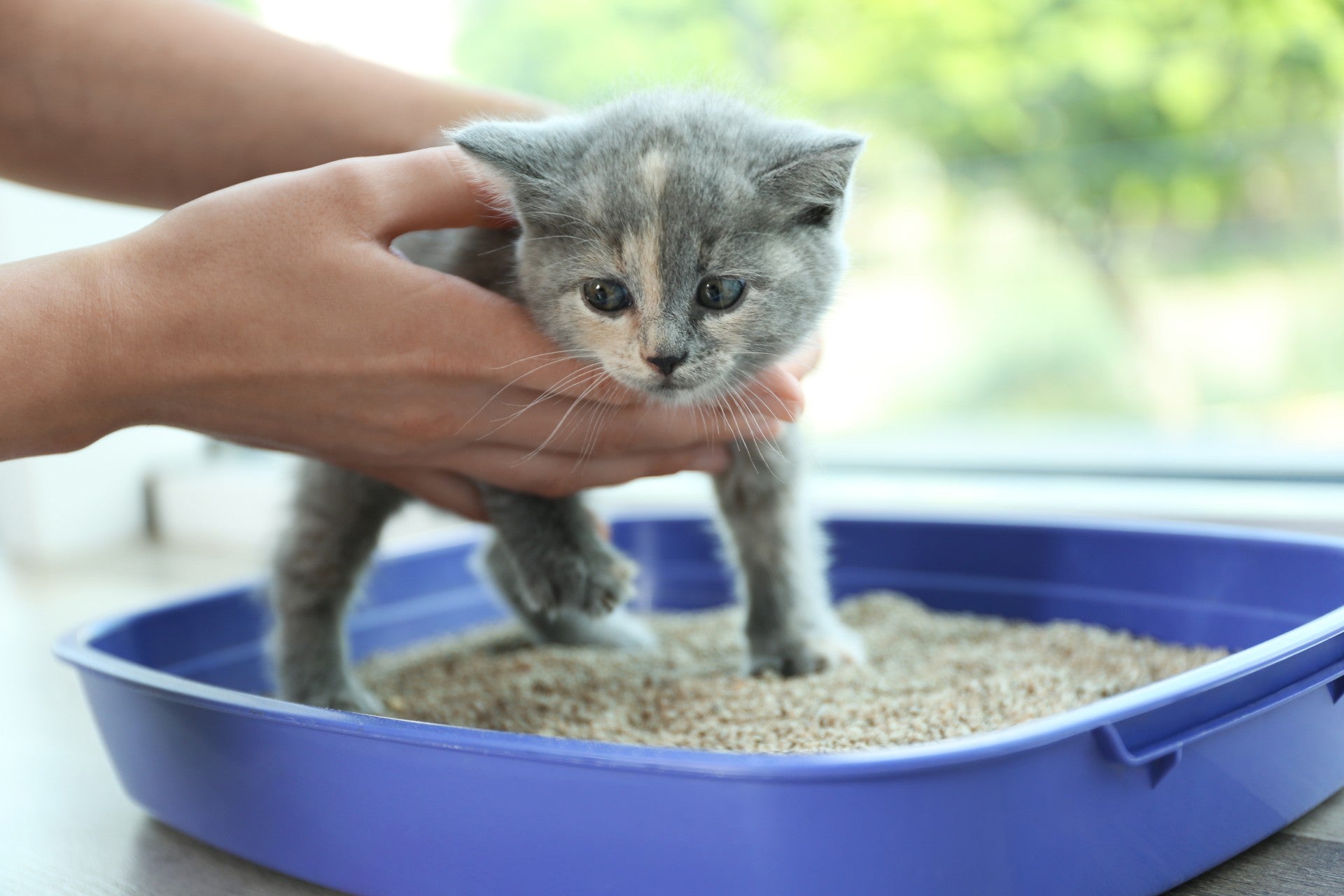
If your cat already knows that the familiarity, privacy, odor control, and calm of an enclosure can be to his advantage, moving on to litter box training is a snap.
Kittens learn how to use a litter box from their mothers at about 4 weeks old.
Offer a low-sided box with unscented, clumping litter (not clay for tiny kittens). Games keep in a quiet reachable place.
Scoop daily, change fully weekly. If there are accidents, clean up with enzymatic cleaners and tuck them into their box after meals/play.
Grooming: Brush once a week, clip nails monthly and begin to brush teeth early for dental health.
Socialization and Play: Raising a Happy, WellAdjusted Kitten

2-7 weeks How personality develops by early socialization — gently expose to people, sounds, and gentle handling.
Interacting toys can be played daily to help burn energy and bond. Avoid using hands as toys to stop biting.
Start a routine of finger-nail marking by providing scratching posts early.
If introducing another pet, monitor gradual introductions.
Litter, Scratching and Good Behavior Training Basics
Positive reinforcement is the best—treats/praise for reward.
Once Scratched, Redirect To Posts With Catnip 🙂 Use deterrents like double-sided tape.
Discourage biting/nipping with “ouch!” and walk away. Clicker training is used to teach tricks such as sit, or high-five.
Lots of love, patience and consistency is important as kittens learn very fast.
Special Circumstances: Abandoned Kittens, Multi-Cat Households, and Adoption Advice
For orphans: Keep warm (heating pad on low), encourage elimination with soft cloth after feeds.
In multi-cat households always separate resources to minimise stress.
Rescue; there are lots of kittens out there who need a good home. Consider pairs for companionship.
Conclusion: Have Fun with the Journey of Kitten Parenthood

By following this infoguide for kittens llblogpet, your kitten will grow into a beautiful and lovable companion. The first few months will go by in a blur of purrs, play and cuddles — relish it!
With proper care, the right food, and a lot of love. You will have a best friend for life. Follow up with your vet for tailored guidance.
Infoguide for Kittens llblogpet FAQs
When is the time to start giving solid food to my kitten?
About 4-5 weeks, using a gruel of wet food; complete weaning by 8 weeks.
How often should kittens eat?
such as 4-6 times per day up to 6 months, and then only 2-3 times a day.
What vaccinations do kittens need?
Core: FVRCP, rabies; optional: FeLV for outdoor cats.
I should get one or two kittens?
Duos often adapt more easily and provide companionship.
How do I kitten-proof my house?
Tuck away chords, lock up drawers and doors, get rid of poisons/plants.
When to spay/neuter?
Typically 5-6 months; consult vet.
What if my kitten has diarrhea?
Prevalent with diet alterations; consult vet if persistent.
How much playtime daily?
For at least 30-60 minutes in short durations.
Ready to welcome your kitten? Look no further, this guide has got your back — happy parenting!


