


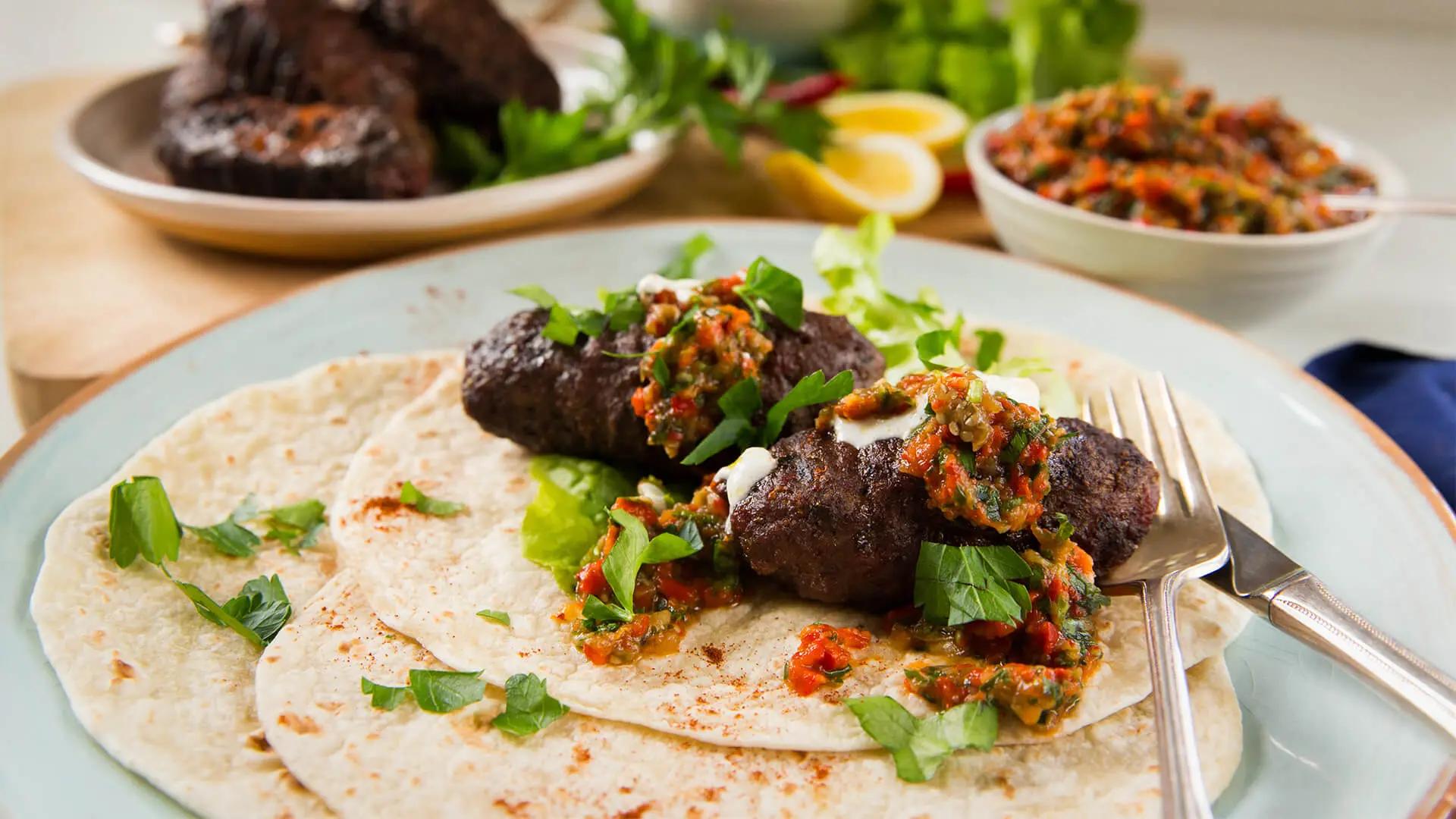
Introduction to Levapioli
Levapioli is a savory grilled meat dish that has become associated with traditional Balkan cuisine and street-food culture. Known for its rich flavor and simple preparation, levapioli is typically made from seasoned minced meat shaped into small sausage-like portions and grilled over charcoal or open flame. The result is a dish that is crispy on the outside, juicy on the inside, and deeply satisfying.
Although it may resemble other grilled dishes such as kebabs or sausages, levapioli has its own distinct style and cultural significance. In many Balkan communities, this dish is more than just a meal—it represents hospitality, tradition, and shared gatherings with family and friends.
Origins of Levapioli
The origins of levapioli are closely connected to the Balkan region, including countries such as Bosnia and Herzegovina, Serbia, Croatia, and Montenegro. Historically, grilled meat dishes were common in these areas due to the influence of Ottoman cooking traditions, which introduced new spices and grilling techniques. Over time, local communities adapted these influences to create unique regional recipes.
Levapioli evolved from these traditions and became a staple dish enjoyed at festivals, markets, and family gatherings. As people migrated to different parts of the world, they carried their culinary traditions with them, helping spread levapioli to international kitchens and restaurants.
Ingredients Used in Levapioli
One of the reasons levapioli is so popular is its simplicity. The dish uses a small number of ingredients but relies on proper seasoning and grilling techniques to create its distinctive flavor.
Common ingredients include:
- Ground meat such as beef, lamb, pork, or a mixture
- Garlic and finely chopped onion
- Salt and black pepper
- Paprika or other mild spices
- Fresh herbs such as parsley
These ingredients are mixed together to create a flavorful meat mixture that is shaped into small cylindrical pieces before being grilled.
How Levapioli Is Prepared
Preparing levapioli involves a simple but important process that ensures the meat develops a deep smoky flavor.
First, minced meat is combined with spices and kneaded until the mixture becomes smooth and well blended. The mixture is then shaped by hand into small sausage-like portions. After shaping, the meat is grilled over charcoal or high heat until it develops a slightly charred exterior while remaining tender inside.
Grilling is a crucial step because it adds a smoky aroma that enhances the overall taste of the dish. Traditional cooking methods often involve outdoor grills or open flames, especially during community gatherings or street-food events.
Traditional Ways of Serving Levapioli
Levapioli is usually served with simple accompaniments that complement its rich flavor. The most traditional way to enjoy this dish includes warm flatbread or pita, which is used to wrap or scoop up the grilled meat.
Other common side dishes include:
- Fresh chopped onions
- Yogurt or creamy sauces
- Ajvar (a roasted red pepper spread)
- Grilled vegetables or salad
This combination creates a balanced meal that blends smoky meat flavors with fresh and tangy ingredients.
Cultural Importance of Levapioli
In many Balkan cultures, levapioli represents much more than food. It is often associated with social gatherings, celebrations, and family traditions. Preparing and grilling levapioli can become a communal activity where friends and relatives come together to cook and share stories.
Street vendors also play a major role in the popularity of levapioli. In busy markets and city streets, the aroma of grilled meat attracts visitors and locals alike, making it a beloved street-food experience.
This cultural connection has helped keep the dish popular across generations.
Modern Variations and Global Popularity
Although levapioli has deep traditional roots, modern chefs and food enthusiasts have created many variations of the dish. Some restaurants experiment with different meats, spices, or fusion flavors to create unique versions.
Examples of modern variations include:
- Levapioli served in sandwiches or wraps
- Fusion recipes combining Balkan spices with international cuisine
- Vegetarian or plant-based alternatives using lentils or soy protein
These adaptations have helped the dish gain popularity beyond the Balkans, making it a recognizable item in global food culture.
Nutritional Value of Levapioli
Because levapioli is primarily made from meat, it is a good source of protein and essential nutrients such as iron and vitamin B12. When paired with vegetables and whole-grain bread, it can form a balanced meal that provides energy and nourishment.
Health-conscious versions often use lean meat and grilling methods that reduce excess fat while preserving flavor.
Conclusion
Levapioli is a delicious grilled meat dish that captures the spirit of Balkan culinary tradition. With its simple ingredients, smoky flavor, and deep cultural significance, it has remained a favorite food for generations. Whether served at a family gathering, a street-food market, or a modern restaurant, levapioli continues to bring people together through shared meals and flavorful experiences.
As global interest in traditional cuisines grows, levapioli is gaining recognition as one of the Balkans’ most iconic and satisfying dishes. Its combination of heritage, flavor, and versatility ensures that it will remain a beloved culinary tradition for years to come. 🍽️🔥


