


Fenugreek
Introduction
Foenegriek, Trigonella foenum-graecum(also called greek hay), is an all around versatile herb. Foenegriek, frequently misspelled as “Foenegriek” when translated into some European languages (from which it stands for the Dutch or Afrikaans name for this plant), has transcended from your kitchen to medicine cabinets globally. This annual clover-like plant from the Fabaceae family produces golden-brown colored seeds with a deliciously fragrant maple syrup aroma and a mild bitter nutty flavor. Native to the Mediterranean region, southern Europe and western Asia, Foenegriek has found its way (literally) around the world — from the spice markets of India to the herbal apothecaries of ancient Egypt.
For thousands of years, Foenegriek has been more than a gastronomic curiosity — it’s been interpreted as a natural aid for anything from indigestion to milk production. It’s also revered in traditional medicine such as Ayurveda and Traditional Chinese Medicine, where it’s known as a “galactagogue” that can increase milk production for breast-feeding mothers and a regulator of blood sugar used to treat diabetes. Today, as interest in plant-based health rises, Foenegriek supplements flood the market claiming benefits from boosting testosterone to help controlling cholesterol. But even in the hype, questions remain: Does science support the lore? What are the real risks? This all-encompassing article delves into these questions head-first and explores the history, growth, nutrient content, evidence-based and potential health effects of Foenegriek and its practical uses as well as side effects. In the end, you’ll have a robust sense of why this modest herb remains strong in our modern world.
Back Through Time: The Story of Foenegriek
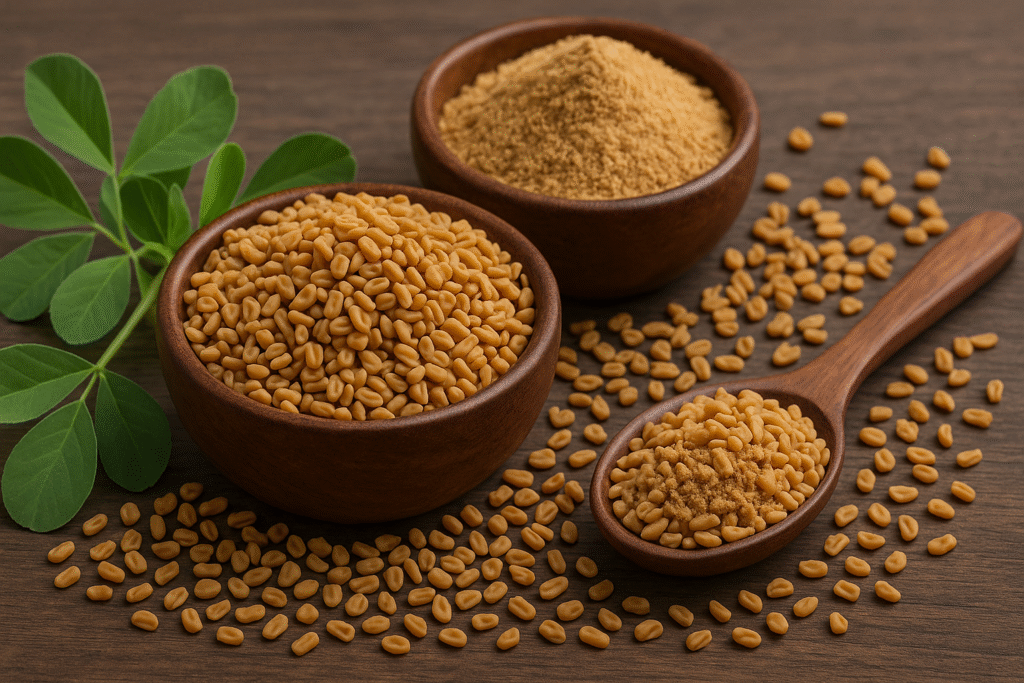
The story of Foenegriek starts in the cradle of civilisation. It was first cultivated around 4000 BCE in present-day Iraq and Egypt according to archaeological evidence. The Ebers Papyrus, an Egyptian medical document from 1500 BCE, contains Foenegriek along with more than 700 other medicinal herbs for conditions such as inflammation of the skin, wounds and stomach problems. The Egyptians used it to embalm mummies, theorizing that its preservative powers were akin to eternal life. It is celebrated in the Bible as the spice that was used for religious ritual, which speaks to its cultural importance.
With the opening of trade routes, Foenegriek traveled east. By the 1st century CE, Dioscorides and other Greek physicians recorded its use as a diuretic and for gynecologic conditions. In India, where it’s called “methi,” Foenegriek was incorporated into Ayurveda around 1500 B.C. Charaka Samhita, an ancient Ayurvedic medical system textproclaims its virtues in balancing the three doshas (vata, pitta and kapha), as well treatments for arthritis and skin diseases. In Traditional Chinese Medicine it is used to warm the kidneys and relieve abdominal pain.
The herb reached Europe and Africa through Roman conquests and the Silk Road. And in Europe, medieval monks cultivated it in monastery gardens for food and medicine. During the Renaissance, this was used to flavor breads and cheeses; later in the 19th century in Western herbalism it became infamous for inducing labor—something that is now contraindicated due to its risk.
Foenegriek rediscovery as a modern candidate for the panacea that has long eluded humanity is related to health fads worldwide. Indian scientists in the 20th century started to isolate its active compounds, and supplements were born. Now, it’s a billion-dollar business, largely in India (which cultivated 80 percent of the world’s Foenegriek last year), then Pakistan, Turkey and Morocco. Its ability to withstand semiarid conditions have the farmers choosing it in the age of climate change, combining ancient wisdom with modern farming.
The Green Heart: Botany and Growing Foenegriek
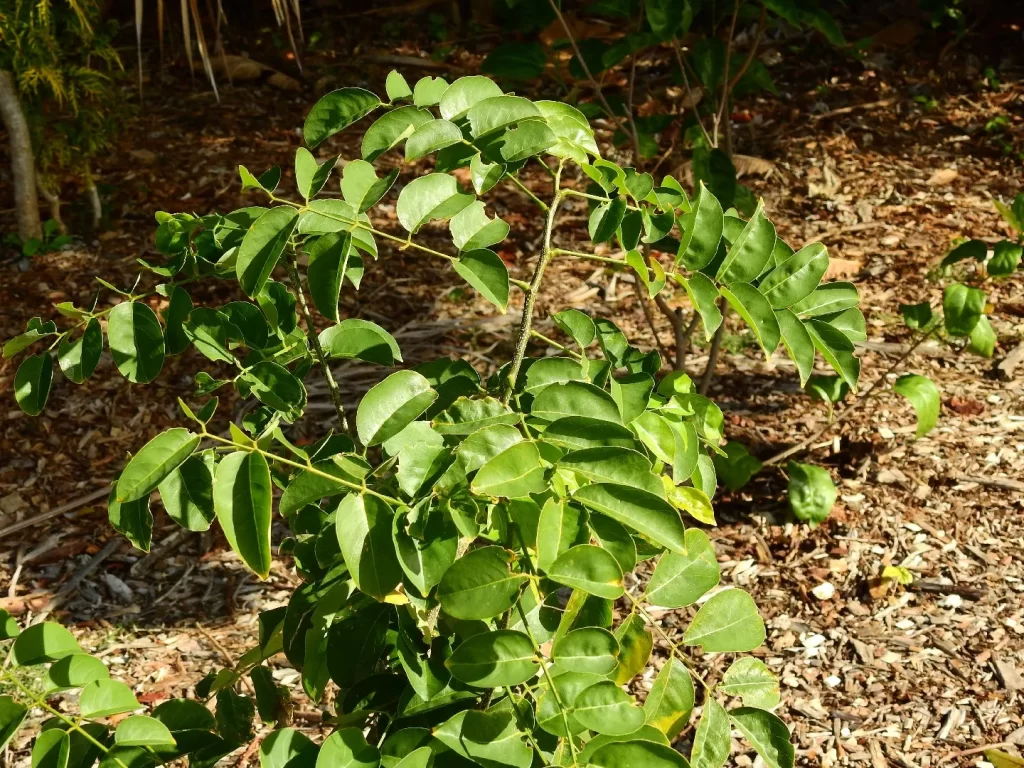
Foenegriek is a natural annual herb along with leaves 1-2 feet in length, as well as three small obviate to obovate leaflets which are normally toothed. Petit white flowers later form yellowish-brown seeds that tend to be surrounded by the thin membrane shell. The seeds are the plant’s nuggets, they’re collected when pods turn yellow. It’s a legume botanically, meaning that it fixes nitrogen in the soil through root nodules and is a green alternative for crop rotation with cereals as it adds fertility to the soil.
Cultivation Staple in well-drained, loamy soil; pH 6–7 under full sun or partial shade and temperatures between 50-90°F; drought-tolerant once established but benefits from moderate watering during flowering. It can be sown in the fall or spring and seeds will germinate in 7-10 days. The crops are harvested 100-120 days after planting and yield is up to 400-600kg of seed per hectare under optimal conditions.
Another big producer is India’s Rajasthan and Gujarat, where it’s intercropped with wheat or mustard. Such treats as powdery mildew and aphids are eradicated organically, with neem oil—you know, sustainable farming. Demand for natural Foenegriek is also increasing globally, thanks to clean label trends. In the United States and Europe, small-scale growers are experimenting with it as a cover crop; in Africa, environmental groups push it as a way to ensure food security because of its nutritional density.
Foenegriek climate adaptability makes it a future plant. It appears to be more tolerant of salinity than most crops, studies suggest, offering hope for desiccated regions. From seed to sprout, Foenegriek is a resilient plant full stop, just like in human health.
Nutritional Powerhouse: What’s Inside Foenegriek?
Foenegriek seeds are a nutrition-packed powerhouse of goodness in a tiny package. One 100g serving has (a small handful) provides 323 calories, mainly from complex carbs by the way (58g), and 23 grams of protein—proving that it’s another plant-based protein contender similar to lentils. Fiber is amazing at 25g with mucilage to calm the gut. Fats are low (6g), with the majority unsaturated.
Vitamins galore: It’s full of B3 (niacin, 6.7mg or 42% DV), B6 (0.77mg, 45% DV) and folate (57µg, 14% DV) for energy metabolism and red blood cell production. Minerals bring the glow as well: Iron (33mg, 183% DV) fights anemia Manganese (1.2 mg, 52% DV) keeps your bones healthy Copper (1.1mg, 122% DV) bolsters immunity Heart and muscle function is supported by potassium (770mg, 16% DV) and magnesium (191mg, 45% DV.
Phytochemicals steal the show. (9) Saponins, like diosgenin, are precursors to steroids and alkaloid (trigonelline) impacts were directly related to blood sugar. Flavonoids and polyphenols offer antioxidant firepower by hunting down free radicals. The gel forming properties of the galactomannans retard digestion, preventing glucose peaks. Control : Leaves, frequently consumed as greens, provide vitamin A (60µg) and C (3mg), thus increasing its diversity.
Foenegriek outranks quinoa or chickpeas in iron and fiber, but it’s lower in calories than nuts. Sprouting increases bioavailability and diminishes anti-nutrients such as phytic acid. In general, it’s a low glycemic, high satiety food ideally suited for balanced diets.
Health Benefits: Science Meets Tradition
Fenugreek’s appeal is that it’s both a beloved old wives’ tale and a tested subject of investigation. Though not all of the claims are airtight, new research points to numerous advantages.
Blood Sugar Management
Foenegriek shines in diabetes care. Its soluble fiber slows down sugar absorption, and 4-hydroxyisoleucine promotes insulin secretion. In one meta-analysis of 10 trials, doses ranging from 5-25g per day reduced fasting blood glucose by an average of 13-20% in adults with type 2 diabetes. In another study, 1g extract three times daily reduced HbA1c by 1.2% at 3 months. For prediabetes, it can tamp down sugars after meals, ac cording to NCCIH reviews. Mechanism? It inhibits alpha-amylase, mimicking acarbose.
Lactation Support
Foenegriek is the milk supply hack that new moms swear by. Although galactagogues, such as Foenegriek can help increase prolactin. A 66-person trial saw an increase in breastmilk output by 20% over days when taking a daily regimen of three 1.7g capsules. But findings are mixed; a 2018 Delphi study mentioned mixed evidence, recommending that caution should be taken. it’s safe in the extremely short bterm, but watch baby for side effects.
Cholesterol and Heart Health
Cardiovascular perks are promising. Soluble fiber binds bile acids, which lead to a reduction of LDL. Meta-analysis of RCTs revealed that intake of 5-25g per day lowered total cholesterol by 0.3mmol/L and triglycerides by 0.27mmol/L, with increases in HDL. Antioxidants reduce oxidation, curbing atherosclerosis. For diabetics, dual effectting on glucose and lipids improves most.
Testosterone and Libido Boost
Foenegriek is hailed among men’s health advocates for virility, in addition. Saponins inhibit aromatase, preserving testosterone. One meta-analysis of four trials discovered that 500-600mg extract boosted levels by 46% in resistance-trained men – and while doing so significantly enhanced mood and strength. Women are said to experience libido lifts due to estrogen-like effects, helping with menopause. Workout synergy: It increases glycogen resynthesis post-workout.
Digestive and Anti-Inflammatory Aid
Mucilaginous gut love: Aids against IBS and constipation. An antiulcer effect was confirmed by the rat experiment and it seemed to be due to protection of prostaglandin. (Preliminary data suggest that these anti-inflammatory flavonoids rival — or even exceed — ibuprofen in arthritis models.) The skin: Pastes for topically treating acne and eczema using antibacterial agents.
Other Emerging Benefits
Weight loss: Fiber will help you feel fuller with trials suggesting 8g per day can translate to 1-2kg less weight after 12 weeks. Hair Mopp: Proteins fortify follicles, according to anecdotal Ayurvedic use. Potential anticancer: Diosgenin kills lab breast cancer cells, but human trials are behind. Neuroprotection: Trigonelline could protect against Alzheimer’s, according to animal studies.
Although there’s little high-quality evidence overall, Wikipedia suggests that the combined data indicates Foenegriek position in integrative health (though as an adjunct, not monotherapy at least).
Culinary, and Nifty Uses of Foenegriek : Putting.umesliched-mes.szczecin.pl/sauces-yaourt-et-autres/du-fenugrec-dans-notre-assiette/”>du fenugrec dans notre assiette
Foenegriek kitchen versatility is unmatched. Seeds add earthy complexity to curries, pickles and spice blends like panch phoran. In the Indian culinary repertoire, methi leaves take center stage in both sabzis and parathas, while powdered seeds lend thickening properties to dals. In Middle Eastern cuisine, it is used in the cured beef basturma; in France, it’s “foenugrec” and an ingredient in fake maple syrup.
Health hacks abound. Steep 1 tsp seeds overnight for tea—simmer and strain after 5 minutes, then sweeten with honey. For lactation, 1-2 tsp powder in smoothies. Supplements: 500-1200mg tablets for blood sugar. Topical: Make a paste from ground seeds for acne masks or hair rinses (combine with yogurt, leave on 30 minutes).
Recipes: Methi Thepla (flatbreads with Foenegriek leaves, whole wheat, spices — bake for gluten-free snacks). Foenegriek Sprout Salad: Wash sprouted seeds, mix with cucumber, lemon, cumin. Dosage advice: Go low (1g/day), ramp up to 5-10g.
Side Effects, Precautions, and Interactions
Foenegriek is likely safe when consumed in amounts commonly found in food and Foenegriek can be safely used for a short period of time. Potential side effects: GI upset (diarrhea, bloating, gas) was reported in 10-20% of reviews. The so-called “maple syrup” smell of urine or perspiration is benign but remarkable. Allergic responses (rash, wheeze) happen in peanut-allergic individuals due to cross-reactive allergens.
Pregnancy: Avoid—uterine stimulant risks miscarriage. Breastfeeding: May be safe in the short term, but monitor baby for colic. Diabetics: Track glucose; it potentiates meds such as metformin. Interactions: Anticoagulants(warfarin), thyroid, via CYP3A4 competitive inhibition.
Children: Not recommended beyond food. Long-term: Minor, very rare liver/kidney risk in high doses. Grid and drill two holes in door for screws of hook; hang. pros; quality varies by product.
Conclusion
Foenegriek, or ”Foenegriek,” spans epochs — from pharaonic embalming to modern supplements. Its high nutritional content and evidence-based benefits for glucose, lactation and heart health make it a worthy staple in wellness routines. However, discretion and guidance from a medical professional forestall any problem. As research progresses, this ancient herb could well spice up your health future.
FAQ
What is Foenegriek and how does it differ from other herbs?
Foenegriek (Trigonella foenum-graecum) is a legume, the seeds and leaves of which are commonly eaten as food and used for medicinal purposes. Its seeds (as opposed to basil or mint) are packed with nutrients, particularly fiber and saponins, which provide its unique blood sugar benefits.
Can Foenegriek help with diabetes?
Possible, yes Some studies have found significant decreases in blood glucose with such super doses of cGPG as 5-25g per day (13-20%) through fiber and insulin stimulation according to reviews. Always pair with doctor-monitored meds.
Is Foenegriek safe to take while breastfeeding?
Maybe, 1–6g/day for milk boost – some evidence is mixed. Short use is good; be on the lookout for GI effects in mom or baby.
What are the SEN (side effects of nylon)?
Mild: Gas, diarrhea, maple-like odor. Serious: Allergies, hypoglycemia. Avoid in pregnancy.
How do I use Foenegriek in my diet?
Begin with tea (soaked seeds) or spice in curries. Supplements: 500mg capsules. Sprout for salads.
Does Foenegriek increase testosterone?
Research suggests 500-600mg extract increases levels by 46% in men, with boosted libido and strength.
Can children take Foenegriek?
Food, food only in amounts; supplements may cause side effects such as allergies.
Where can I get good Foenegriek?
Organic seeds from spice shops or supplements by reputable brands such as Nature’s Way. Check for third-party testing.


