


Introduction to NS Mainframe
In the rush of today’s digital age NS Mainframe still often provides a backbone for many critical systems. It’s the technology behind massive businesses that’re unbeaten for reliability, scale and performance. NS Mainframe systems take care of it all, banking transactions or government databases.
What is a Mainframe?
Definition and Core Function
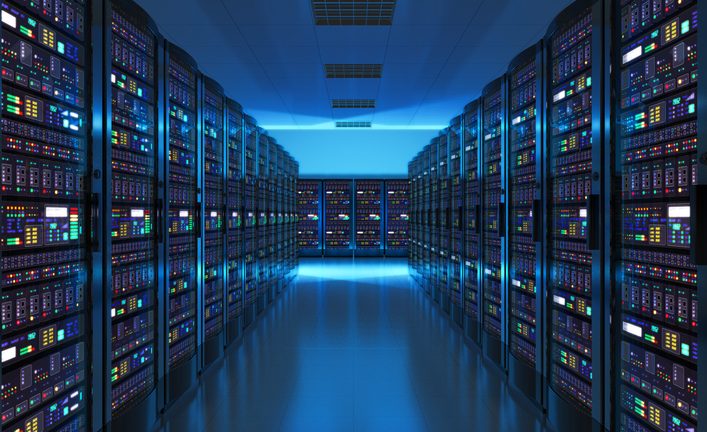
A mainframe is a large, fast computer that is used mainly by big companies to process many tasks or all of the organization’s data. That might include processing of census data, financial transactions and enterprise resource planning.
Importance in Modern Computing
Despite the advent of cloud and distributed systems, mainframes are irreplaceable when it comes to speed, reliability and capacity. They are designed to operate 24/7 without hiccups, processing millions of actions per second.
Understanding NS Mainframe
Overview of NS Mainframe Technology
A family of durable computing platforms designed for secure, high pressure data handling, NS Mainframe functions as one. These are full on for business with up time of 24/7 and streaming huge amount of data.
Key Features and Capabilities
Multi-user support with concurrent operations Virtualization for workload optimization End-to-end encryption for data protection Automatic load balancing
History and Development of NS Mainframe
Early Beginnings
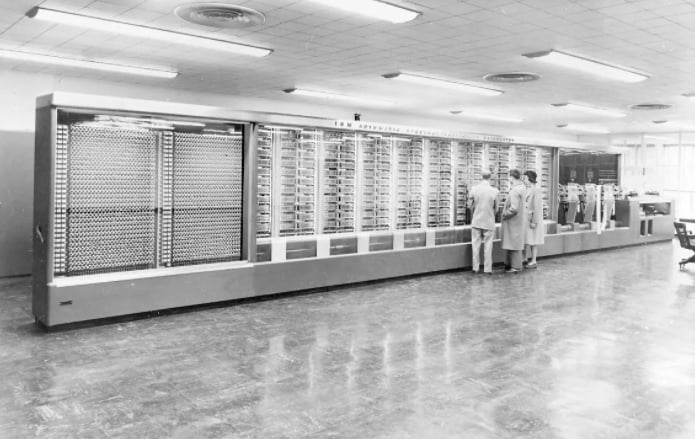
Mainframes were born in the 1950s, when computing was mostly confined to big institutions. NS Mainframe was a response to the tech-race for faster, better systems.
Technological Advancements Over Time
Over the years, NS Mainframes added modern programming languages, real-time analytics and cloud capabilities to remain relevant for digital era.
Architecture of NS Mainframe
Hardware Components
This heart of an NS Mainframe is made up of fast central processors, generous amounts of high-speed memory and failover storage to deliver consistent results.
Software Components
The OS is built to be milti workload supporting at a time. This consists of transaction managers, databases and job schedulers.
System Integration
NS Mainframe technology connects easily with existing and new systems, regardless of the industry.
How NS Mainframe Works
Data Processing Workflow
Information is received through secure input channels, computed by several cores in parallel, and results are returned to the connected systems immediately.
Security and Encryption Mechanisms
Each and every transaction in an NS Mainframe is encrypted and tracked, this makes it GDPR complaint with International data protection standards.
Advantages of NS Mainframe
Unrivaled Computing Power: Capable of processing millions of transactions a second. Reliability: Little to no downtime, more uptime. Scalability: Can accommodate increasing workloads without degrading performance. Greater Security: State-of-the-art encryption protects the integrity of your data.
Applications of NS Mainframe
Banking and Finance
NS Mainframes are used by banks mainly for online transaction processing and fraudulent protection.
Government and Defense
Applies to secure data storage, identity management and defense simulations.
Healthcare Systems
NS Mainframes securely run patient records, billing systems and research databases.
E-commerce and Retail
They cater to inventory management, payment processing and customer data analytics.
NS Mainframe vs Cloud Computing
Performance Comparison
Mainframes provide unmatched performance and data flow for mission-critical workloads, whereas cloud systems prioritize scalability and adaptiveness.
Cost and Maintenance Differences
Mainframes are more expensive up front, but have lower down-times in the long run Bright for enteprises.
Which Is Best for Business?
For companies with high transaction volumes, NS Mainframe is still the most popular option. Cloud computing might be more manageable for smaller businesses.
NS Mainframe Integration with Modern Technologies
Artificial Intelligence (AI)
AI improves mainframe performance by forecasting workloads and fine-tuning performance.
Internet of Things (IoT)
Mainframes aggregate and process real-time IoT data for smarter decision-making.
Blockchain Integration
Using blockchain along with NS Mainframe will result in secure, traceable transactions.
Drawbacks and Limitations on NS Mainframe
High Maintenance Costs Shortage of Skilled Professionals Compatibility Issues with Legacy Applications Challenges not withstanding, certain modernization efforts have made NS Mainframes slightly better.
Future of NS Mainframe
The future is hybrid where NS Mainframes cloudify into a symbiotic cloudscape. This duo provides ultimate performance, flexibility and longevity.
Top Companies Using NS Mainframe
IBM – The mainframe leader in Inovação. JPMorgan Chase – By applying NS Mainframes, the internets greatest Purchase Mortgage lender for getting financial data dealt with securely. AT&T – Utilizes mainframes for operations at telecommunications and billing.
NS Mainframe — Best Practices Guide to Managing
Conduct regular security audits Utilize real-time monitoring tools Optimize workload distribution Maintain comprehensive backup systems
Conclusion
In summary, NS Mainframe remains foundational to enterprise computing. While there are new technologies, it is its stability, security and scalability that make it a must for companies who value reliability. Along the way, as industry shifts to hybrid systems, the NS Mainframe keeps evolving-showroom evidence that there’s life yet in this good old workhorse of classic tech.
FAQs
What is the primary need for NS Mainframe?
It’s built to handle enormous amounts of data effectively and secure things for large companies.
Does NS Mainframe make sense now?
Absolutely. Mainframes remain the workhorses of several Fortune 500 companies for their mission-critical transactions.
What’s the difference between NS Mainframe and cloud computing.
Mainframes stress reliability and performance; clouds, elasticity and flexibility.
Which are the most common industries using NS Mainframes?
They are heavily relied on by financial, government, healthcare and telecommunications industries.
What is the way forward for NS Mainframe?
Its future evolution will be influenced by hybrid integration with cloud and AI tech.


